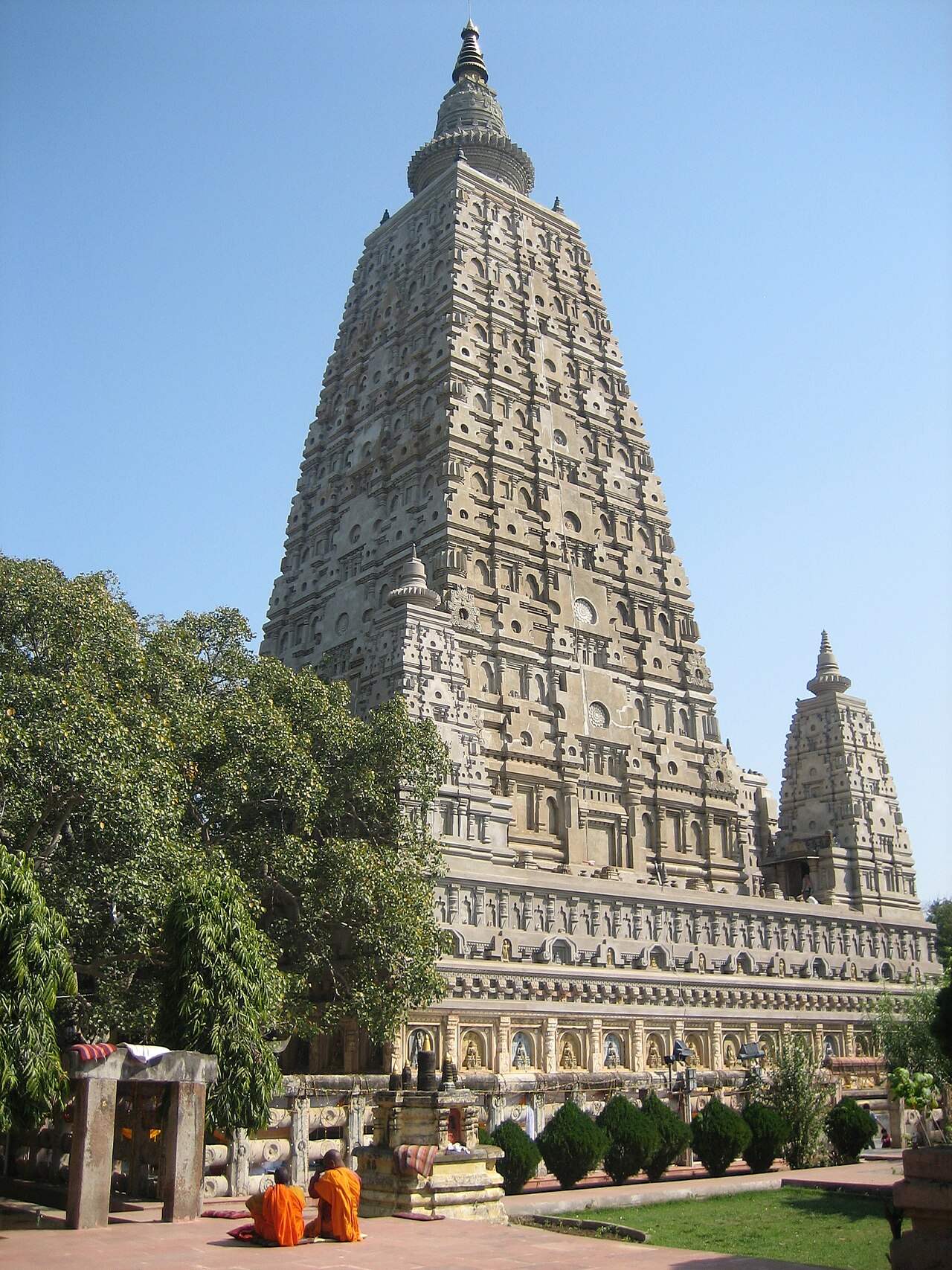
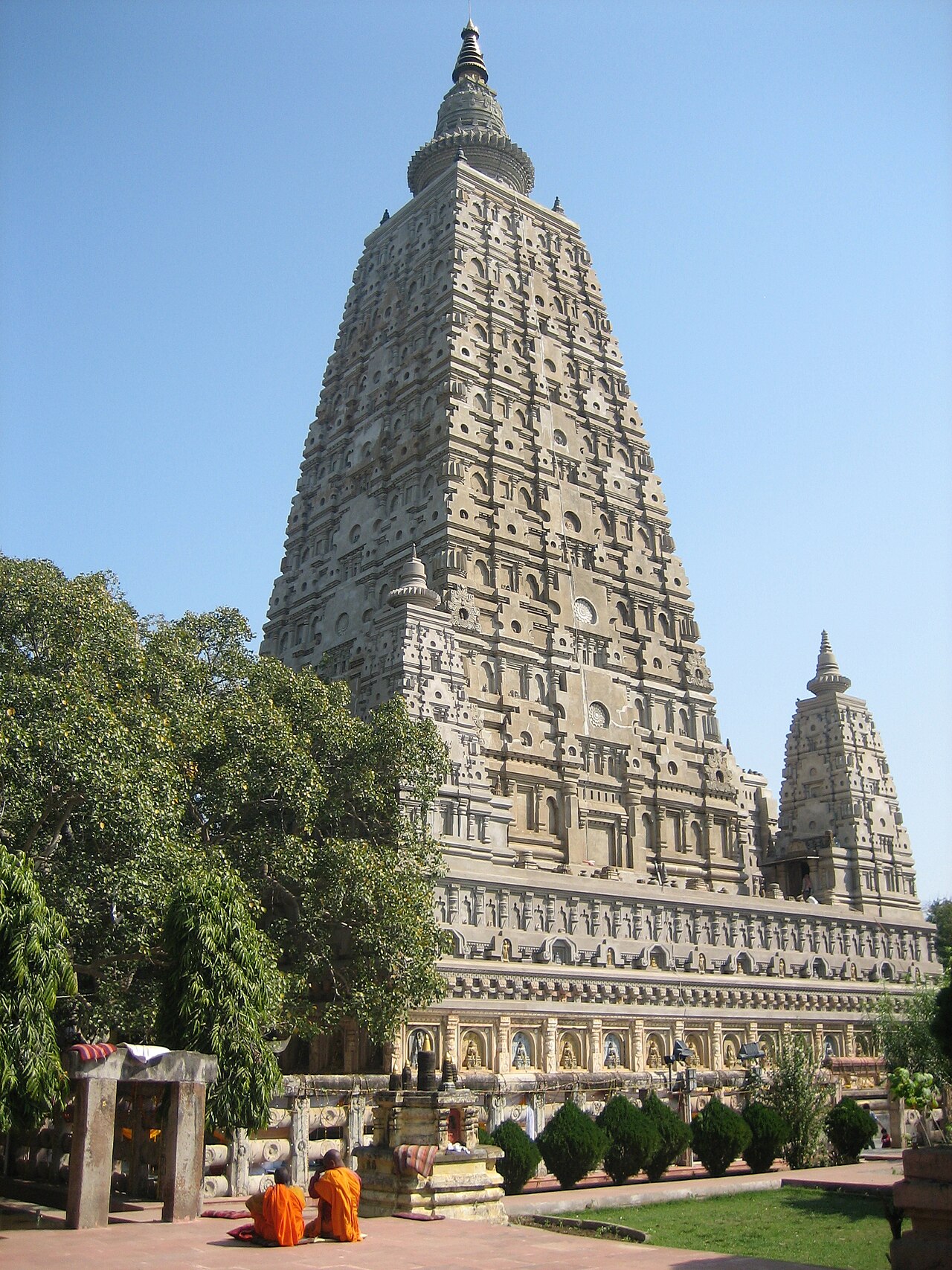
Bodhgaya is the most important place in Buddhism. It was here, beneath the Bodhi Tree, that Siddhartha Gautama attained enlightenment 2,500 years ago — and the site has been a pilgrimage destination ever since. Today the town hosts a remarkable concentration of monasteries representing every Buddhist tradition, retreat centres from the most accessible to the most intensive, and a calendar of teachings that draws practitioners from across the world.
But Bodhgaya's popularity is not evenly distributed across the year. The climate of Bihar is extreme: freezing nights in December, ferocious heat from April to June, monsoon rains from July to September. The character of the town shifts dramatically by season — from a quiet, dusty village in summer to an electric, internationally crowded pilgrimage hub in the winter months. Knowing when to come changes the experience entirely.
"There is no bad time to sit beneath the Bodhi Tree. But some seasons make the sitting considerably easier." — longtime Root Institute teacher
Month-by-Month Season Guide
Bodhgaya lies in the Gangetic plain of Bihar at around 100 metres elevation. There is no moderating geography — no hills, no coast. The heat in summer is extreme, the cold in winter cuts, and the monsoon is heavy. Here is an honest breakdown by month:
Annual Retreat & Teaching Calendar
The following is a general guide to the annual rhythm of teachings and retreats in Bodhgaya. Exact dates vary by year — always check with individual centres directly. The Tibetan calendar means many events shift by several weeks annually.
| Period | Event / Program | Type |
|---|---|---|
| October – November | Root Institute retreat season opens; 10-day Vipassana at Dhamma Bodhi resumes | Retreats |
| Late November | Tibetan monasteries begin major Puja cycles; Tergar autumn program | Practice |
| December (early) | Kagyu Monlam — thousands of monks gather for 10-day prayers Peak | Festival |
| December (mid–late) | His Holiness the Dalai Lama teachings (most years — verify on dalailama.com) Peak | Teaching |
| December – January | Nyingma Monlam (9 days); Drukpa Kagyu Monlam; major Tergar winter retreat | Festival |
| January | Vipassana 10-day courses at Dhamma Bodhi (multiple dates); Root Institute intensive programs | Retreats |
| January (varies) | Kalachakra Initiation — when announced, draws 100,000+ pilgrims Rare | Initiation |
| February | Losar (Tibetan New Year) — monastery celebrations, butter lamp offerings, Cham dance Festival | Festival |
| March | Late-season retreat programs at Root Institute and FPMT-affiliated centres | Retreats |
| May (full moon) | Buddha Purnima — Bodhgaya's most important festival. Prayers at Mahabodhi 24 hrs Peak | Festival |
Retreat Centres in Bodhgaya
Two principal retreat centres accept international participants in Bodhgaya:

Practical Logistics
Getting There
The nearest airport is Gaya Airport (GAY), 13 km from Bodhgaya — there are direct flights from Delhi, Kolkata, and a few other cities, with more routes added in the winter season as pilgrim traffic increases. The nearest major railway junction is Gaya Junction (12 km), well connected to Kolkata, Delhi, Varanasi, and Patna. From Gaya station, an autorickshaw to Bodhgaya takes around 30 minutes and costs ₹150–250.
Accommodation
Bodhgaya has accommodation at every price point, from monastery guesthouses at ₹300–500/night to comfortable hotels at ₹2,000–5,000. The key caveat: during December and the Dalai Lama teaching periods, the entire town fills. Book 3–4 months in advance for any visit in this window. Retreat centre accommodation is usually separate from general hotel bookings — apply through the centre's own registration system.