

About Norbulingka
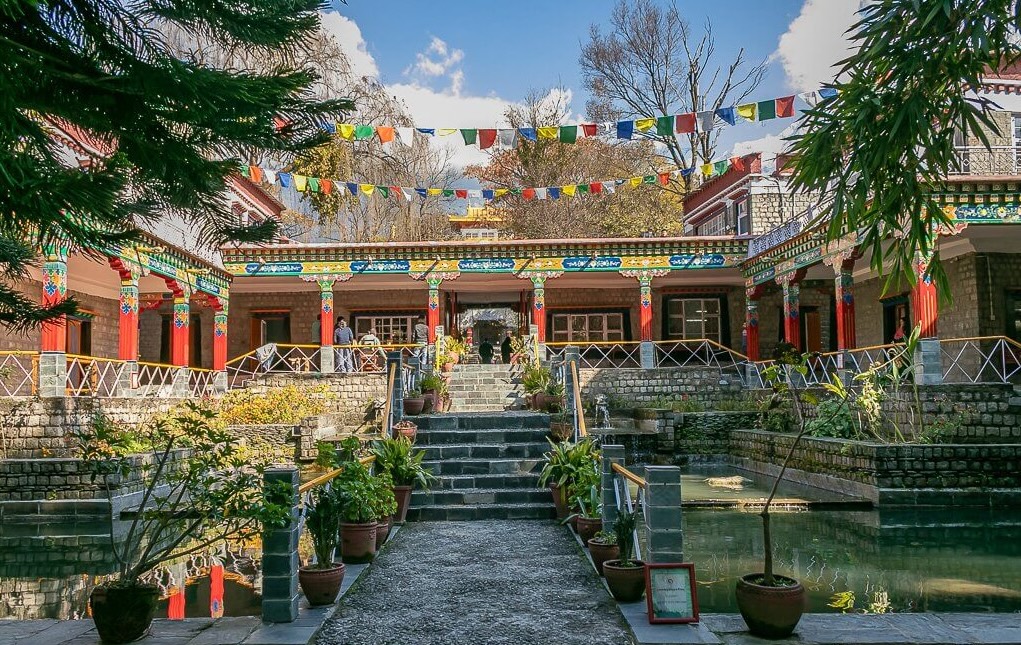
Norbulingka Institute is one of the most beautiful places in the Indian Himalayas — a lush, garden-filled complex dedicated to the preservation of Tibetan arts, crafts and cultural heritage, set against the dramatic backdrop of the Dhauladhar mountain range near Dharamsala, Himachal Pradesh. Named after the Jewel Park — the Dalai Lama's summer palace in Lhasa — Norbulingka was established in 1988 as a living repository of Tibetan civilisation in exile.
The institute is home to master craftspeople working in the great traditions of Tibetan artistry: thangka painting, appliqué and tailoring, woodcarving, wood painting, and the making of sacred statues. The workshops are open to visitors, who can watch craftspeople at work and often purchase directly. The Losel Doll Museum, housed in the grounds, presents the 56 peoples of Tibet through intricately dressed traditional dolls — a unique and moving cultural archive.
The grounds themselves are extraordinary — a curated Himalayan garden of streams, ponds (with carp), mature bamboo groves, rock gardens, and abundant birdlife including wild parrots and Paradise Flycatchers. The Deden Tsuglakhang temple at the heart of the complex houses exquisite thangkas and sacred art, and is open for morning and evening prayers. Two guesthouses — Chonor House and Norling House — allow guests to stay amid this extraordinary environment, just 5 km from McLeod Ganj.
Experiences & Activities
Where to Stay
Located near His Holiness the Dalai Lama's residence and the Thekchen Chöling temple complex. Each room is individually named and decorated with original Tibetan art. A rare chance to stay close to the heart of the Tibetan exile community in India.
Set within Norbulingka's lush gardens and craft workshops, Norling House offers intimate, beautifully furnished rooms with direct access to the temple, museum, workshops and walking paths. Wake to birdsong and the sound of water in a truly peaceful setting.
Practical Information
What Visitors Say
I have stayed at Norbulingka three times now and I still struggle to describe what makes it so different. It is not just the gardens (extraordinary), not just the art (museum quality), not just the mountains (ever present) — it is the combination, and the feeling that you have somehow stepped into a version of Tibet that managed to survive. The thangka workshops are a revelation. The parrots woke me every morning. I will return.
We were doing a Tushita course and came to Norbulingka on our day off. I honestly think it eclipsed the rest of the Dharamsala experience for us — the Doll Museum alone is worth the trip. My partner bought a small thangka directly from the artist. If you are in the area, go.